

In New York State, a person can be convicted of Felony Murder even if they did not commit—or intend to commit—a murder. Simply being present at the scene of a crime where a death occurs can result in a life-altering conviction. This law overwhelmingly impacts Black, Brown, low-income, and system-impacted individuals, often punishing those least responsible for a death more harshly than the actual perpetrator.
Each person in this campaign represents a deeper truth about the felony murder law and why it must be abolished. Their stories expose the moral and legal failings of a system that prioritizes conviction rates over justice.
Meet the Faces Behind the Law
John Giuca

Convicted without physical evidence, based on recanted testimony and prosecutorial misconduct. John’s case has become one of the most well-known examples of a wrongful conviction rooted in the abuse of felony murder charges.
Bryan Panarella

A young man who took accountability for his role in a robbery but did not commit the murder. Despite another person admitting to the killing, Bryan was charged with murder under the law. Today, he is a college student, spiritual leader, and dedicated to transformation.
Devin Giordano
Convicted under the felony murder law despite no intent or action to commit the crime. His story highlights the criminalization of youth, mental health struggles, and coerced plea deals.
Devin Horne

Devin was convicted under the felony murder law when he was 16 years old for a murder he did not commit. While incarcerated, Devin has attained his high school diploma, barbering license, OSHA 10 certification, and he is in the process of getting his associates degree. Devin’s a father, future husband, and author of nine books.
New York Felony Murder Law Stories

Jacob Rouse
At 18, I had just returned home from active duty service in the military, and was enrolled in my freshmen year of college. I had a bright future ahead of me, but that would all change in one night. On the night of March 9, 2006 I was involved in an attempted robbery, where someone I was with, shot and killed an innocent man. At 19, I was tried and convicted for 2nd degree Felony Murder, and received a sentence of 22 years to life. When I first entered prison I was lost and struggled to find myself. Although it was difficult to adjust to this new life I was able to accomplish many things. During my incarceration, I have worked as a mentor to at risk youth, led and created anti-violence campaigns facilitated substance abuse and anger management classes earned a college degree, with honors and maintained a perfectly clean institutional record. Nevertheless, what I am most proud of, is becoming a husband to an amazing woman, and a father of three wonderful children. I now fight to return home to support and care for the family I have been so blessed with. My goals are to be the best husband and father I can be, while also giving back to various underserved communities.
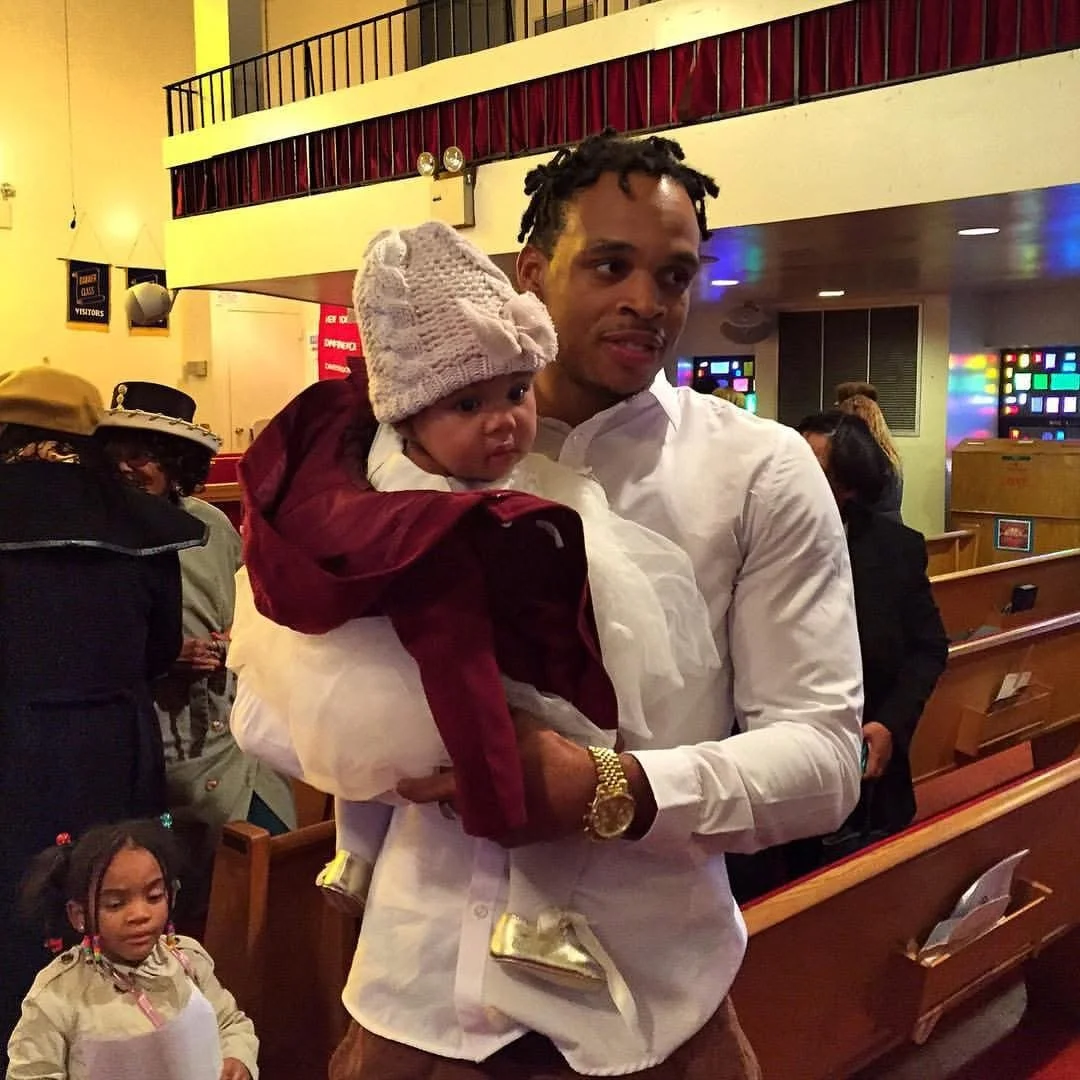
Jagger Freeman
Jagger Freeman grew up in South Jamaica Queens, New York. He has seven brothers and one sister. Growing up, his life consisted of going to school and playing basketball, which he played at the high school and college level.
Prior to his incarceration, he worked at Enterprise Rent-A-Car at JFK airport while attending Queensborough Community College full time in stride of finishing his associates degree. He is a full-time loving father to his daughter who is now 11 years old.
When he was 25 years old, Jagger was arrested for a botched robbery that occurred in Richmond Hill, Queens, in which an officer was shot and killed by friendly fire. Although he was not on the scene when the incident occurred, he was charged with murder. Because he went to trial, the police shaped the story in the press, and the media portrayed him in ways that bear no resemblance to who he is. He was sentenced to 30 years to life under FML. He wants people to know that FML uses people’s lives as tools for politics.
Today, Jagger is pursuing a Bachelor’s degree in Math through the Bard program, and he plans to continue on to the Master’s program. He is loved by his community, and always eager to help others.
We are working to…
HUMANIZE the impact of this law through personal stories.
BUILD political pressure to repeal or revise the law.
EDUCATE the public and policymakers on its disproportionate and unjust application.
CREATE space for healing and power for impacted individuals and their loved ones.
Media Breaking Down the Injustice Behind Felony Murder Law


Prisoners’ Brain Trust is Working to Repeal New York’s Felony Murder Law and Rethink Incarceration


“An Enduring Struggle for Justice” 08-03-2025
Alisha Kohn, Prisoners’ Brain Trust- Focuses on the Rights of Inmates

Felony Murder Law: A Legal Form of Genocide
By E. Paris Whitfield